Xiaomi 17 Launches as Memory Price Surge Challenges Smartphone Sales
Published: 1 Mar 2026
By: MPG News
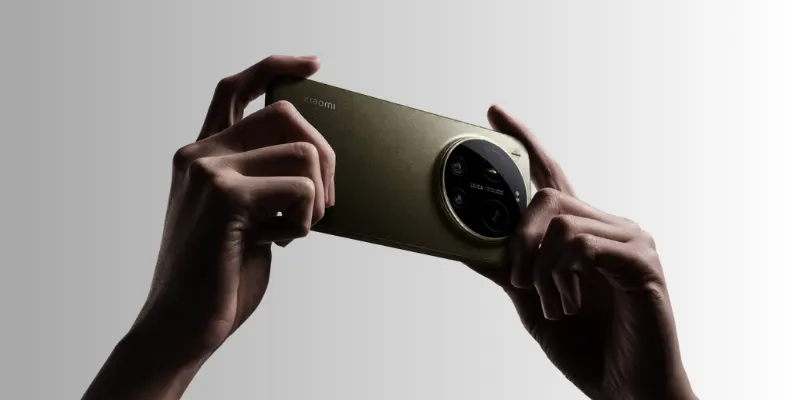
Xiaomi has launched its new Xiaomi 17 and Xiaomi 17 Ultra smartphones globally. These are the company’s top-tier devices, designed to compete with high-end models from Samsung and Apple. The launch comes at a challenging time as memory chip prices are rising sharply, which could affect smartphone sales worldwide.
The Xiaomi 17 starts at 999 euros ($1,179), while the Xiaomi 17 Ultra is priced at 1,499 euros. Despite the jump in memory costs, Xiaomi has kept prices similar to last year’s models. This move shows the company’s focus on remaining competitive in the premium segment.
Memory Prices Soar, Pressuring Smartphone Market
Memory chips are a critical and costly part of modern smartphones. In the first quarter of this year, memory prices increased by 80% to 90%, according to Counterpoint Research. The rise is caused by a shortage of memory chips, with much of the supply being diverted to data centers supporting AI technologies.
Experts warn that smartphone prices may rise by up to 13% in 2026 because of the memory crunch. IDC forecasts a 12.9% decline in the global smartphone market next year due to these higher costs.
Premium Devices May Handle the Pressure
Analysts believe that companies selling high-end smartphones, like the Xiaomi 17 Ultra, may be better positioned to absorb rising costs. Higher-priced devices usually have a higher profit margin, which can protect them from sudden increases in component prices.
However, Xiaomi’s main revenue comes from mid-range devices. If prices increase, demand for these models could drop. Unlike Apple and Samsung, Xiaomi does not have a large share of the premium market to offset potential losses. Francisco Jeronimo, IDC’s VP for data and analytics, told CNBC, “This year will be even worse because Xiaomi does not have a very strong premium share, which means they cannot rely on the premium segment to offset low margins in other devices.”
Xiaomi May Adjust Mid-Range Prices
Industry experts, including Ben Wood from CCS Insight, suggest that Xiaomi may need to raise prices of its low-to-mid-tier smartphones to cope with rising memory costs. This adjustment could help maintain overall revenue but may affect demand for more affordable devices.
Diversifying Revenue Beyond Smartphones
While smartphones remain a key part of Xiaomi’s business, the company has been expanding its electric vehicle (EV) segment in China. The EV business now makes up around 25% of total sales and has grown rapidly. In the September quarter, Xiaomi reported a 3% year-on-year decline in smartphone revenue. In contrast, its electric vehicle sales nearly tripled, providing an important revenue source during the memory price surge.
Looking Ahead
The Xiaomi 17 launch highlights both opportunity and challenge. The devices aim to strengthen Xiaomi’s presence in the high-end market. But rising memory prices could impact overall sales, especially for mid-range smartphones. Xiaomi’s strategy of maintaining flagship prices while expanding into new sectors, such as electric vehicles, may help the company navigate these challenging market conditions.
Consumers interested in premium smartphones now have the option of the Xiaomi 17 or Xiaomi 17 Ultra, while the company balances its product mix to stay competitive and protect revenue.






- Be Respectful
- Stay Relevant
- Stay Positive
- True Feedback
- Encourage Discussion
- Avoid Spamming
- No Fake News
- Don't Copy-Paste
- No Personal Attacks
- Be Respectful
- Stay Relevant
- Stay Positive
- True Feedback
- Encourage Discussion
- Avoid Spamming
- No Fake News
- Don't Copy-Paste
- No Personal Attacks
