Advantages and disadvantages of mobile phones
Published: 8 Jan 2026
Have you ever felt bored while waiting, then picked up your phone to pass the time? Or needed to urgently call someone? Mobile phones are now a part of daily life, and almost everyone uses them every day. In this article, we will explore the advantages and disadvantages of mobile phones, their benefits, and the hidden risks they may bring. Understanding both sides helps you use your phone wisely, protect your health, and stay productive.
It is important to know both sides before using a mobile phone every day. When you know the positive side, you can use the phone in a smart way. When you know the bad side, you can avoid problems and stay safe. This article will help you understand how mobile phones affect daily life and how to use them wisely.
What is a mobile phone?
A mobile phone is a small device that allows people to talk, send messages, and access apps without wires. The term “mobile phone” refers to a device that keeps people connected in daily life. Children can call parents to say they are safe, students can contact teachers, and adults can stay connected with work or family. Knowing the pros and cons of mobile phones helps us use them properly.
Advantages of Mobile Phones
Mobile phones help people in many valuable ways every day. They support communication, learning, and safety in daily life. The points below clearly and simply explain these advantages.
Easy Communication
Mobile phones help people reach others fast during urgent situations. They enable quick contact when help is needed immediately. This rapid communication can protect people and reduce danger.
- Emergency Calls: People call for help in serious situations. For example, someone calls an ambulance after an accident and gets quick support.
- Health Support Calls: People contact doctors or family during illness. For example, a parent calls a doctor when a child has a sudden fever.
- Location Sharing: People share their location when they feel unsafe. For example, a lost person sends location details to family for guidance.
- Quick Family Contact: People inform loved ones during trouble. For example, a worker alerts family after a road issue and stays calm.
Help in Emergencies
Mobile phones help people stay safe during sudden problems. They allow fast contact when every second matters. This quick help can reduce harm and save lives.
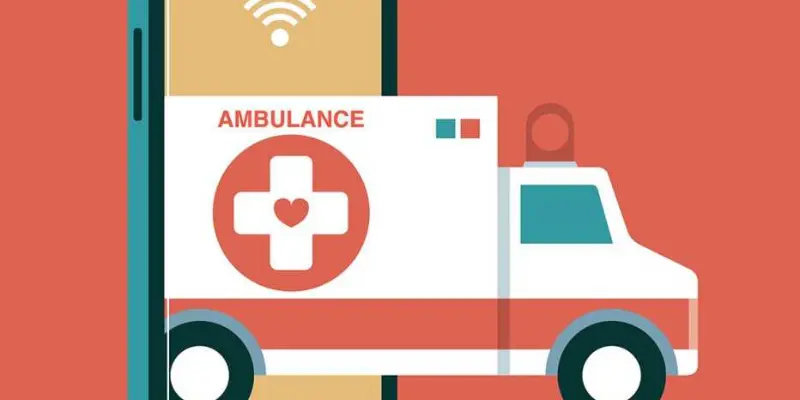
- Emergency Calls: People call the police or medical help right away. For example, someone calls an ambulance after a road accident and gets fast care.
- Health Support: People contact doctors during sudden illness. For example, a parent calls a doctor at night when a child feels unwell.
- Location Sharing: People share their location when they feel lost or unsafe. For example, a traveler sends location details to family for quick guidance.
- Family Alerts: People inform loved ones during danger. For example, a worker sends a quick call after a breakdown and feels supported.
Support in Learning
Mobile phones help students learn when teachers are not nearby. They give quick access to lessons and study help anytime. This support keeps learning active and continuous.
- Online Classes: Students join classes using mobile phones. For example, a student attends a live lesson when school is closed.
- Study Videos: Students watch lessons to better understand the topics. For example, a child replays a math video to learn a hard sum.
- Homework Help: Students find answers and examples for homework. For example, a student checks rules or meanings while studying at home.
- Skill Practice: Students practice new skills using guided lessons. For example, a student learns basic computer or language skills after school.
Stay Connected With Family
Mobile phones help family members to stay in touch during urgent moments. They give quick contact when someone needs support or help. This connection keeps families safe and calm.
- Quick Family Calls: Family members call each other during problems. For example, a child calls their parents after a minor accident and receives help quickly.
- Health Updates: Families share health news right away. For example, a parent informs relatives when a family member feels sick.
- Location Sharing: Family members share their location for safety. For example, a child sends location details when lost in a crowded place.
- Emotional Support: Families Stay Connected During Stress. For example, relatives talk during emergencies and feel less afraid.
Communication and Connectivity
Communication means sharing words and feelings with others. Connectivity means staying linked with people near and far. These matters are important because people need support, updates, and quick help every day.
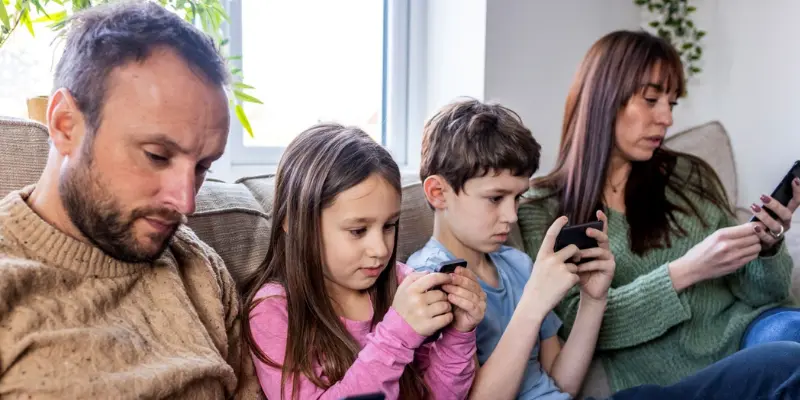
- Voice and Video Calls: People see and hear loved ones even when far away. For example, a child talks to grandparents in another city, and a worker joins a meeting from home.
- Messages Across Distance: People send short texts to share news fast. For example, friends plan a visit, and shop owners confirm orders with customers.
- Global Reach: People connect with others in different countries. For example, families talk across borders, and remote workers speak with teams abroad.
- Emergency Contact: People ask for help at the right time. For example, someone calls a doctor during illness, and an employee reports an urgent work issue quickly.
Access to Information
Access to information means finding answers when you need them. It helps people learn, plan, and make better choices every day. Today, quick information saves time and reduces confusion.
- Learning for Students: Students use mobile phones to read lessons and find answers. For example, a student checks a meaning for homework or watches a study video.
- Support at Work: Workers use mobile phones to get work details fast. For example, an employee checks schedules or reads instructions during work.
- Instant News and Updates: People stay informed about what’s happening around them. For example, families check weather updates, and office staff read essential notices.
- Problem Solving: People find simple solutions to daily problems. For example, a student learns a math step, and a worker looks up task guidance.
Productivity and Organization
Mobile phones help people plan their day and manage tasks better. They keep important work and study details in one place. This helps people stay focused and save time every day.
- Calendars for Planning: People use calendars to note important dates and tasks. For example, a student tracks exam dates, and a worker plans meetings, which shows clear mobile phone productivity benefits.
- Reminders for Daily Tasks: Mobile phones remind people about meaningful work. For example, a student remembers to do homework, and a shop owner remembers to restock items.
- Notes and Task Lists: People write quick notes to stay organized. For example, a student writes study points, and a professional lists work tasks for the day.
- Shared Work Tools: People share files and updates in one place. For example, a small business owner shares order details, and a team member updates work progress.
Education and Learning
Mobile phones help students learn anytime and anywhere. They support study outside the classroom in simple ways. This makes learning more flexible and useful for students.
- Learning Apps: Students use study apps to learn lessons step by step. For example, a student practices math sums and learns spelling at home.
- Online Classes: Students attend classes using their mobile phones. For example, a student joins a live lesson when school is closed.
- Self-Study Support: Students revise topics independently using their mobile phones. For example, a student reads notes and watches lesson videos before exams.
- Skill Building: Students learn new skills through guided lessons. For example, a student learns basic computer skills or a new language after school.
Safety and Emergency Use
Mobile phones help people get help during sudden problems. They allow fast contact when time matters the most. This support can protect lives and reduce fear.
- Emergency Calls: People call for help in urgent situations. For example, someone calls an ambulance after an accident, and help arrives faster.
- Health Support: People contact doctors during health issues. For example, a parent calls a doctor when a child falls sick at night.
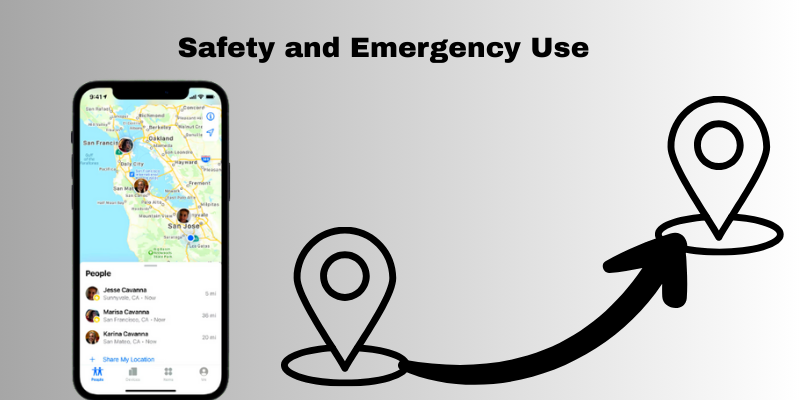
- Location Sharing: People share their location when they feel unsafe. For example, a lost traveler sends their location to family for guidance.
- Quick Family Contact: People inform family during danger. For example, a worker alerts family after a road problem and stays calm.
Disadvantages of Mobile Phones
Mobile phones are beneficial in many ways, but they also bring problems when people use them excessively or improperly. These problems can affect health, behavior, and daily life. Knowing the negative side helps people stay careful and use phones in a balanced way.
Too Much Screen Time
Too much screen time means using a mobile phone for long hours without rest. This habit affects the body, mind, and daily routine. It slowly creates health and behavior problems.

- Eye and Head Problems: Long screen use strains the eyes and head. For example, a student feels eye pain and a headache after watching videos for hours.
- Less Physical Movement: People often sit for long periods while using their phones. For example, a child may avoid outdoor play and feel lazy during the day.
- Sleep Disturbance: Late-night screen use delays sleep. For example, a person scrolls before bed and wakes up tired.
- Weak Focus and Energy: Long screen time reduces attention and energy. For example, a worker feels slow and unfocused after heavy phone use.
Distraction in Study and Work
Distraction means losing focus on important tasks. Mobile phones pull attention away again and again during work or study. This habit lowers learning quality and work performance.
- Loss of Focus in Study: Students check phones during lessons or homework time. For example, a student reads messages and forgets what the teacher explains.
- Delayed Task Completion: Phones break the workflow many times. For example, a worker stops a task to check alerts and finishes work late.
- Lower Quality of Work: Constant phone use causes mistakes. For example, an employee misses details because attention shifts to the phone.
- Poor Time Management: Phones waste useful time during the day. For example, a student plans to study for one hour but spends most of the time scrolling.
Poor Social Interaction
Social interaction means talking and spending time with people around us. Too much mobile phone use reduces honest conversations in daily life. Such behavior slowly weakens relationships at home, school, and work.
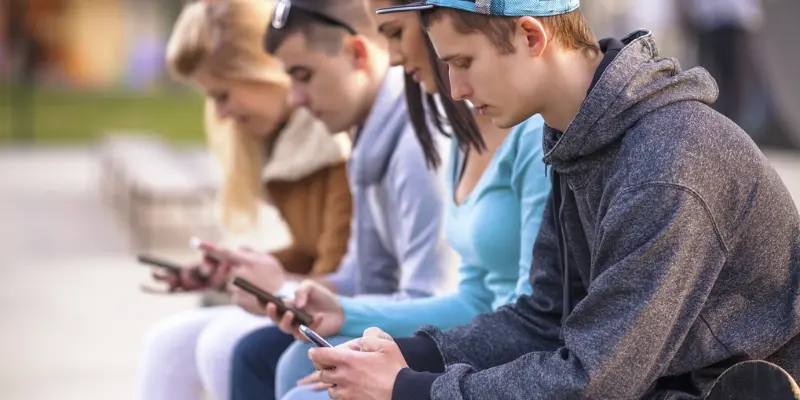
- Less Face-to-Face Talking: People choose phones over real talks. For example, family members sit together but scroll instead of talking.
- Weak Family Bonding: Phone use reduces quality family time. For example, parents check phones during meals and miss conversations with children.
- Shallow Friendships: People chat online but avoid meeting in person. For example, students message friends but stop playing or studying together.
- Poor Workplace Interaction: Phones reduce teamwork and discussion. For example, workers stay on phones during breaks and miss team bonding.
Health and Sleep Problems
Mobile phones affect the body and mind when people use them too much. Long screen time changes sleep habits and daily energy levels. These problems grow slowly and affect health over time.

- Poor Sleep Quality: Phone use at night keeps the mind active. For example, a student scrolls before bed and feels tired in the morning.
- Eye Strain and Headache: Bright screens strain the eyes after long use. For example, a worker gets headaches after hours of phone use.
- Body Pain and Bad Posture: People bend their neck and back while using phones. For example, a teen feels neck pain after gaming for hours.
- Mental Stress and Tiredness: Constant phone use overloads the mind. For example, a person feels stressed after nonstop messages and alerts.
Mobile Phone Addiction
Being addicted to your phone means using it over and over again without being able to stop. It gradually becomes a habit that has a negative impact on daily life and thinking. Over time, this problem makes it difficult to concentrate, feel positive emotions, and get along with others.
- Reward Loop in the Brain: Phones give quick pleasure through likes and messages. For example, a student checks their phone during study again and again and cannot finish homework, which shows clear mobile phone addiction effects.
- Loss of Control: People feel restless without their phone. For example, a worker keeps checking the phone during meetings and misses important points.
- Mental Health Impact: Too much phone use increases stress and sadness. For example, a teen feels low after long screen time and compares life with others.
- Family and Daily Life Damage: Phone addiction reduces real family time. For example, parents scroll on phones during meals and stop meaningful talks with children.
Social Isolation
Social isolation means feeling alone even when people are around.Too much mobile phone use pulls attention away from real people.Over time, this habit weakens daily human connections.
- Less Face-to-Face Talk: People look at screens instead of talking. For example, friends sit together but scroll on their phones and stop real chats.
- Reduced Family Time: Family members use phones during meals and rest time. For example, parents and children sit together but talk less each day.
- Weak Friendships: People depend on messages instead of meeting in person. For example, students text friends but avoid spending time together after school.
- Poor Work Interaction: Workers focus on phones during breaks and meetings. For example, team members miss bonding and clear discussion at work.
Privacy and Security Risks
Privacy means keeping personal things safe and private.Security means protecting information from wrong use.Both matter because mobile phones store personal details.
- Data Theft: Some people steal information from phones. For example, a stranger gets access to photos or contacts without permission.
- Unsafe App Access: Some apps ask for too much access. For example, an app reads messages or uses the camera without the need.
- Online Scams: People receive fake messages and calls. For example, someone shares bank details and loses money.
- Weak Password Use: Simple passwords make phones easy to enter. For example, others unlock a phone and read private chats.
Advantages and Disadvantages for Students
Cell phones have become an important part of a student’s daily life because they help with schoolwork, learning, and talking to other students. Students use them to take online classes, find study materials, and talk to their teachers and classmates. But if students use their phones too much, they can also be a distraction due to games and social media. Knowing the Good and Bad Points of a mobile phone helps students balance study and screen time.
| Advantages for Students | Disadvantages for Students |
| Online classes from home | Distraction from social media |
| Quick help for homework | Gaming during study time |
| Learning and study apps | Loss of focus in class |
| Easy research for projects | Wasting study hours |
| Access to study videos | Poor exam preparation |
How to Reduce the Negative Effects of Mobile Phones
Mobile phone problems can be reduced when people use the right habits and simple controls in daily life. Small changes in routine help protect health, focus, and family time without giving up mobile phone benefits. With awareness and balance, children, students, and adults can all use mobile phones more safely and smartly.
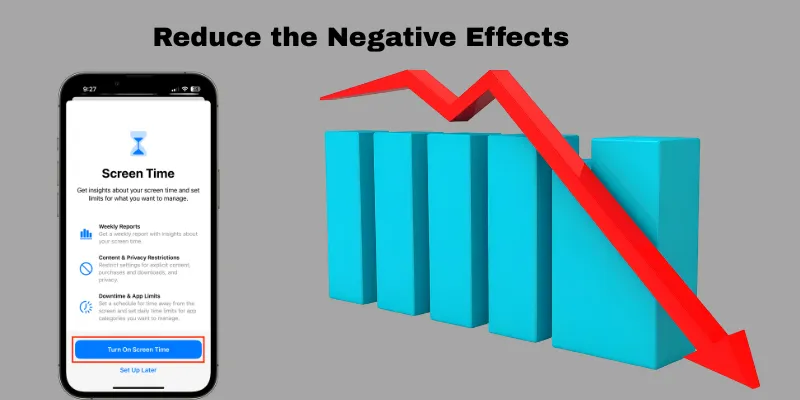
- Set Screen Time Limits
Fix a daily phone time and try to follow it strictly. For example, a student completes homework first and uses the phone only after study time. - Use Parental Controls for Children
Parents can limit apps and screen time on children’s phones. For example, a child can use learning apps but cannot open games late at night. - Create Phone-Free Times
Keep phones away during meals, study hours, or family time. For example, a family eats dinner together and talks without using phones. - Take Regular Screen Breaks
Stop using the phone after some time and rest your eyes. For example, an adult takes a short walk or stretch after extended phone use. - Avoid Phone Use Before Sleep
Put the phone away at least one hour before bedtime. For example, a student sleeps earlier and feels fresh for school. - Use Phones With Purpose
Decide the reason before using the phone. For example, a worker checks important messages and avoids unnecessary scrolling.
Mobile Phones – Statistics & Facts
Facts and statistics help readers see how common mobile phones are and how people use them every day. Numbers show real use, not just ideas. This information makes the article clear and useful for everyone.
- Daily Phone Usage: On average, people spend about 4 hours and 37 minutes on their phones every day. This means that many people spend a large part of their day looking at phones, whether for work, study, or entertainment.
- Frequent Phone Checks: People often check their phones many times a day. For example, most users unlock or check their phones many times as part of daily life.
- Global Smartphone Access: In places like the United States, most adults now own a cellphone, and about nine out of ten own a smartphone. This graph shows the different ways people use their cell phones.
- Mobile Connections in Pakistan: Pakistan has approximately 188.9 million active mobile connections, indicating that a significant number of people in the country use their phones.
Conclusion
Mobile phones provide learning support, quick communication, and safety help. They can also cause distraction, health issues, and reduce real-life interaction when overused. By understanding the advantages and disadvantages of mobile phones, we can use them wisely, enjoy their benefits, and minimize risks. Smart and balanced use keeps life productive, safe, and connected.
FAQs
Mobile phones make life easier by allowing quick communication, access to information, and support in emergencies. People can stay connected with family, learn new things, and manage daily tasks efficiently. However, excessive use can cause distraction, sleep problems, and weak social interaction. Knowing the advantages and disadvantages of mobile phones helps everyone use them wisely and safely.
Students can observe how phones help them with online classes, study apps, and homework. At the same time, they should notice distractions like social media, games, and reduced focus in class. Understanding the pros and cons of mobile phones helps students balance learning and screen time for better productivity and health.
Using a mobile phone is beneficial when people use it in balance. It helps with learning, communication, and safety. Too much use can cause health and focus problems.
Mobile phones support online classes and homework help. Students also use learning apps and study videos. These tools make learning easier outside of school.
Too much phone use causes distraction, poor sleep, and eye strain. It also reduces real social interaction. These problems grow when people do not set limits.
Yes, long screen time can impact eyesight and sleep quality. Late-night phone use keeps the brain active. This makes people feel tired the next day.
Parents can set screen time limits and app controls. They should advise children on safe smartphone use. Regular family talks also help.
Knowing the advantages and disadvantages of mobile phones helps you use them smartly. You can enjoy the benefits and avoid problems like distraction, poor sleep, and addiction.




- Be Respectful
- Stay Relevant
- Stay Positive
- True Feedback
- Encourage Discussion
- Avoid Spamming
- No Fake News
- Don't Copy-Paste
- No Personal Attacks
- Be Respectful
- Stay Relevant
- Stay Positive
- True Feedback
- Encourage Discussion
- Avoid Spamming
- No Fake News
- Don't Copy-Paste
- No Personal Attacks
